A side-by-side feature comparison of two physical machines, running about 27 minutes. The host walks through similarities first (transmission ranges, digging depth), then differences: pedal configurations, bucket level indicators, loader hydraulic disconnect systems, backhoe seat design, and aftermarket cab options. He also calls out shared shortcomings neither tractor addresses. Leans conversational over technical, so shoppers wanting spec-sheet depth won't find it here, but those weighing real-world usability differences will.
Good Works Tractors is a tractor attachment dealer that also sells tractors, so the walkaround is informed and generally even-handed but comes from a commercial seller with an interest in moving both brands.
What this video covers
Both use hydrostatic transmission with high, neutral, low range only
Backhoe digging depth is similar, 74 inches vs 72 inches
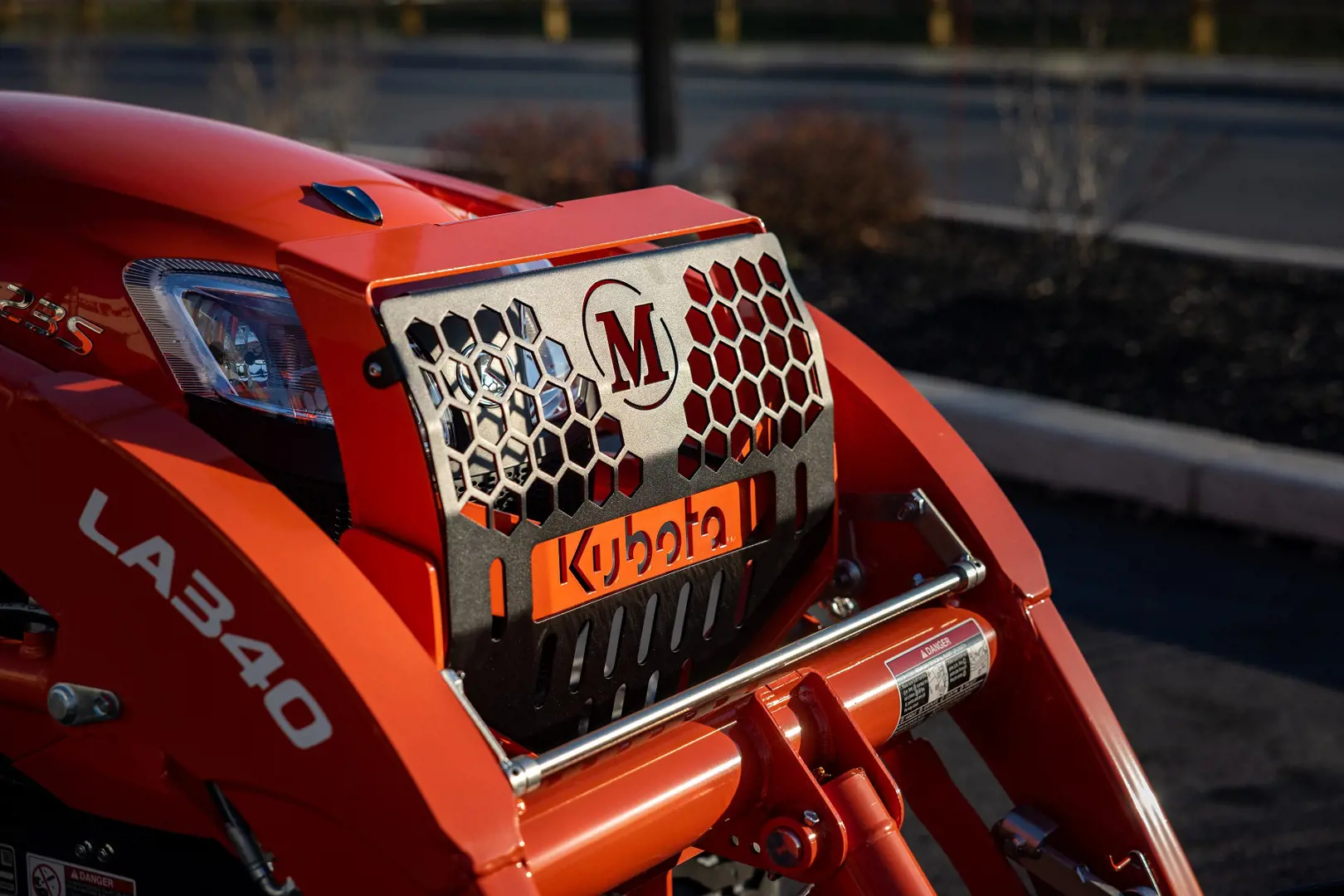
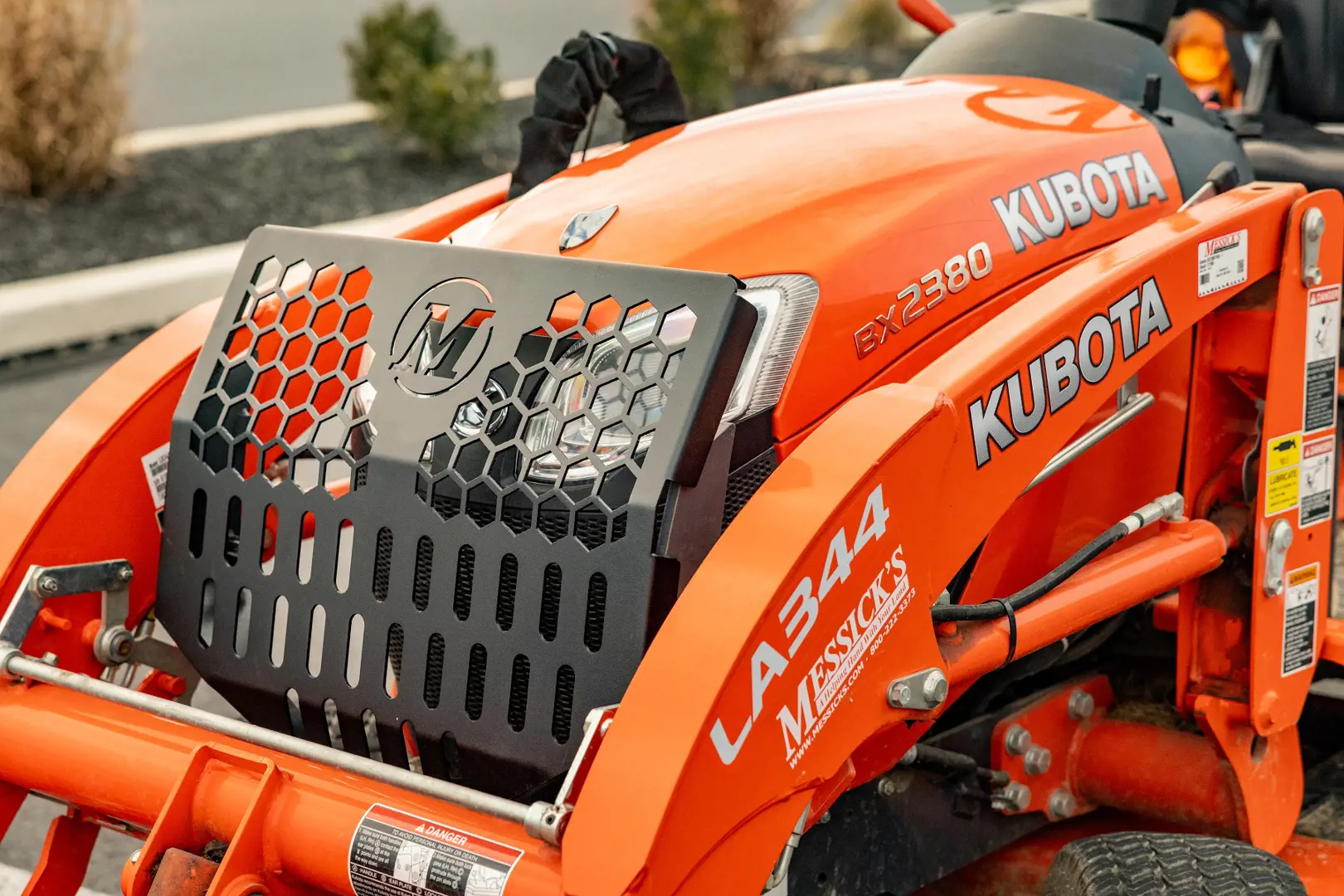
Kubota BX23S has one-lever quick disconnect for all four loader hoses
Kubota uses treadle pedal, John Deere uses side-by-side forward/reverse pedals
John Deere 1025R has separate backhoe seat, Kubota uses swivel seat
Both rely on aftermarket cabs rather than a factory climate-controlled option
Questions this video answers
How does the loader hose disconnect work on the Kubota BX23S?
A single lever disconnects all four hydraulic hose connections at once once the loader is off the tractor, unlike the John Deere which needs four individual connections handled separately.
What is the difference between the pedal setup on the John Deere 1025R and Kubota BX23S?
Kubota uses a treadle pedal with forward and reverse operated by toe or heel. John Deere uses side-by-side pedals, one marked forward and one marked backward, both operated with the toe.
Does the John Deere 1025R backhoe have a separate seat from the main tractor seat?
Yes, since the 2018 redesign the 1025R has a separate seat for backhoe operation, while the Kubota BX23S still uses one seat that swivels around.
Can you get a factory cab with air conditioning on the John Deere 1025R or Kubota BX23S?
No, both rely on aftermarket cab solutions like Curtis cabs. Kubota offers an aftermarket AC pack, but neither has a true factory cab option.