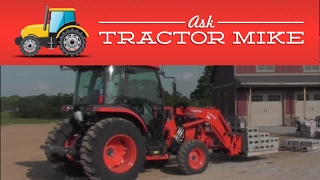
Distinctive for showing the actual on-site process rather than just explaining it in theory, this video follows a mobile tire service technician as he mixes methanol-water ballast, jacks the tractor, and fills the tires to three-quarters capacity. It covers why methanol beats calcium chloride and antifreeze, weight added per tire (roughly 400 lbs), valve stem positioning, final air pressure, and a practical tip to adjust tire width before filling. Best for new tractor owners unfamiliar with ballasting.
Tractor Mike is a longtime tractor-industry insider with decades of hands-on experience in the equipment business. He built his channel to help first-time and rural buyers make confident decisions, and his guidance comes from that deep, long-term background rather than a sales pitch.
What this video covers
Mix about 10 gallons methanol with rest water in a 55-gallon drum
Jack up tractor, release air, pump fluid through valve stem
Fill tires about three-quarters full, roughly 85 to 90 gallons
Keep valve stem at top so liquid settles to the bottom
Adds roughly 400 pounds of weight per tire
Set tire width before fluidizing, since adjusting after is difficult
Questions this video answers
Why add fluid to tractor tires instead of leaving them empty?
Without fluid you won't realize the full lift capacity of your tractor, and you could be in danger on hills since fluid keeps you down on the ground.
Is methanol better than calcium chloride for tractor tire ballast?
Yes. Methanol won't freeze below zero degrees, is better on the ground than calcium chloride or antifreeze, and won't hurt animals, unlike calcium chloride which can corrode wheels.
How much weight does fluid add to tractor tires?
Roughly 8,800 pounds total, or about 400 pounds per tire.
Should you adjust tractor tire width before or after adding fluid?
Do it before fluidizing. Moving tires with fluid in them is difficult since you're dealing with 350 to 450 pounds per tire.