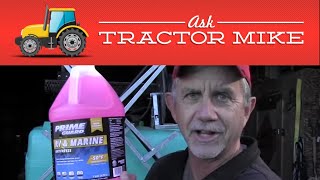
A practical, talker-style how-to covering winterization across three equipment categories: sprayers (draining, flushing, RV antifreeze, pump removal), tractors (antifreeze check, filling the diesel tank, anti-gel additive), and PTO-powered implements (shaft storage, WD-40 trick, brush hog gearbox cover). No hands-on footage is evident, it's verbal instruction throughout. Best for newer rural property owners who want a straightforward seasonal checklist explained in plain language.
Tractor Mike is a longtime tractor-industry insider with decades of hands-on experience in the equipment business. He built his channel to help first-time and rural buyers make confident decisions, and his guidance comes from that deep, long-term background rather than a sales pitch.
What this video covers
Spray out residual chemical, then flush sprayer tank inside and out
Use RV antifreeze, not engine antifreeze, in sprayer until pink water shows
Remove sprayer pump and store in heated garage over winter
Fill diesel tank nearly full to prevent water condensation and slime
Add anti-gel additive since diesel can gel below 10 degrees
Remove PTO shaft, spray WD-40 inside, store in garage over winter
Questions this video answers
Should I drain my diesel tractor fuel tank down low for winter storage?
No. Fill the tank up almost to the top. A mostly empty tank leaves room for water to condense, creating a place for slime to grow in the bottom of the tank.
What kind of antifreeze should I use to winterize a sprayer?
Use RV and marine antifreeze, not engine antifreeze, because it is safe for the environment. Dump it in the tank and spray nozzles until pink water comes out.
How do you prevent a PTO shaft from rusting together over winter?
Remove the one bolt holding the PTO shaft, pull it apart, spray WD-40 inside, push it back together, and store it in the garage to avoid moisture.
Why should you add anti-gel additive to diesel fuel before winter?
Diesel can turn into a gel, like applesauce, when temperatures drop below 10 degrees, which can stop the engine from starting until it warms up.