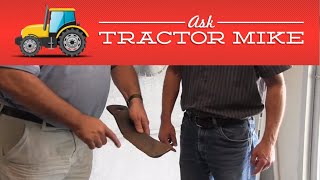
The real takeaway here is contrarian: a blade sharpening expert argues that for most brush hog work, sharpening isn't necessary or even advisable. The video is an interview format with a repair-shop owner who explains why sharpening can weaken blades, when replacement makes more financial sense than labor, and the safest technique (hand file on the back edge) if you do proceed. Useful for owners wrestling with blade maintenance decisions.
Tractor Mike is a longtime tractor-industry insider with decades of hands-on experience in the equipment business. He built his channel to help first-time and rural buyers make confident decisions, and his guidance comes from that deep, long-term background rather than a sales pitch.
What this video covers
Brush hog blades pulverize, not cut, so a sharp edge isn't essential
Grinding heats metal, making it harder and more brittle, risking cracks
Hammering bent blades back into shape causes them to break off later
Best method is hand filing the back edge for a clean finish
Run blades evenly on both sides to avoid wobble and bearing damage
New set of four blades and bolts cost about $225 for this machine
Questions this video answers
Do you really need to sharpen brush hog blades?
No. A brush hog's purpose is more pulverizing than cutting, so a blunt edge still cuts grass, shrubs, and trees fine. Sharpening is only needed for a cleaner finished cut.
What's the safest way to sharpen a brush cutter blade?
Use a coarse hand file on the back edge of the blade instead of a grinder. This avoids heat treating the metal, which makes it brittle and prone to cracking on impact.
Is it better to sharpen or replace damaged brush hog blades?
It depends on cost versus time. A set of four blades and bolts cost about $225 for this machine, so heavily chunked or worn blades may be cheaper to replace than to repeatedly grind.
Why shouldn't you hammer out dents in a brush hog blade?
The blades are often made of poor steel or cast iron. Hammering a bent area back into shape causes it to break off completely the next time it hits something.